
Most cybersecurity content marketing programmes fail for the same reason: the team treats the category like generic B2B marketing with a few threat terms swapped in. Security buyers notice within a paragraph. They are practitioners or they report to practitioners. Content written without domain fluency reads as noise regardless of how technically accurate the acronyms are.
A workable strategy starts by understanding the ecosystem before producing anything. The 90-day framework below is built around that principle: 30 days learning the market, 30 days mapping the real audience, 30 days publishing with a cadence. At day 90 you will have a foundation worth building on rather than one that needs tearing down.
"Security buyers read your content to evaluate whether you understand their world. Most vendor content tells them you do not."
| Phase | Timeframe | Primary output |
|---|---|---|
| Learn the ecosystem | Days 0–30 | Niche glossary, threat feed setup, internal knowledge sessions |
| Map the real audience | Days 30–60 | ICP by role, validated personas, sales-aligned messaging |
| Start creating consistently | Days 60–90 | 4–6 targeted pieces, editorial cadence established |
01Days 0–30: Learn the ecosystem before writing a word
The cybersecurity industry is fragmented in ways that are not obvious from the outside. Cloud security, identity, application security, threat intelligence, data security, SOC automation, email security, and mobile threat research are distinct markets with their own acronyms, publications, buyer profiles, and content conventions. A campaign that works for an identity vendor will not work for an email security vendor without significant rework.
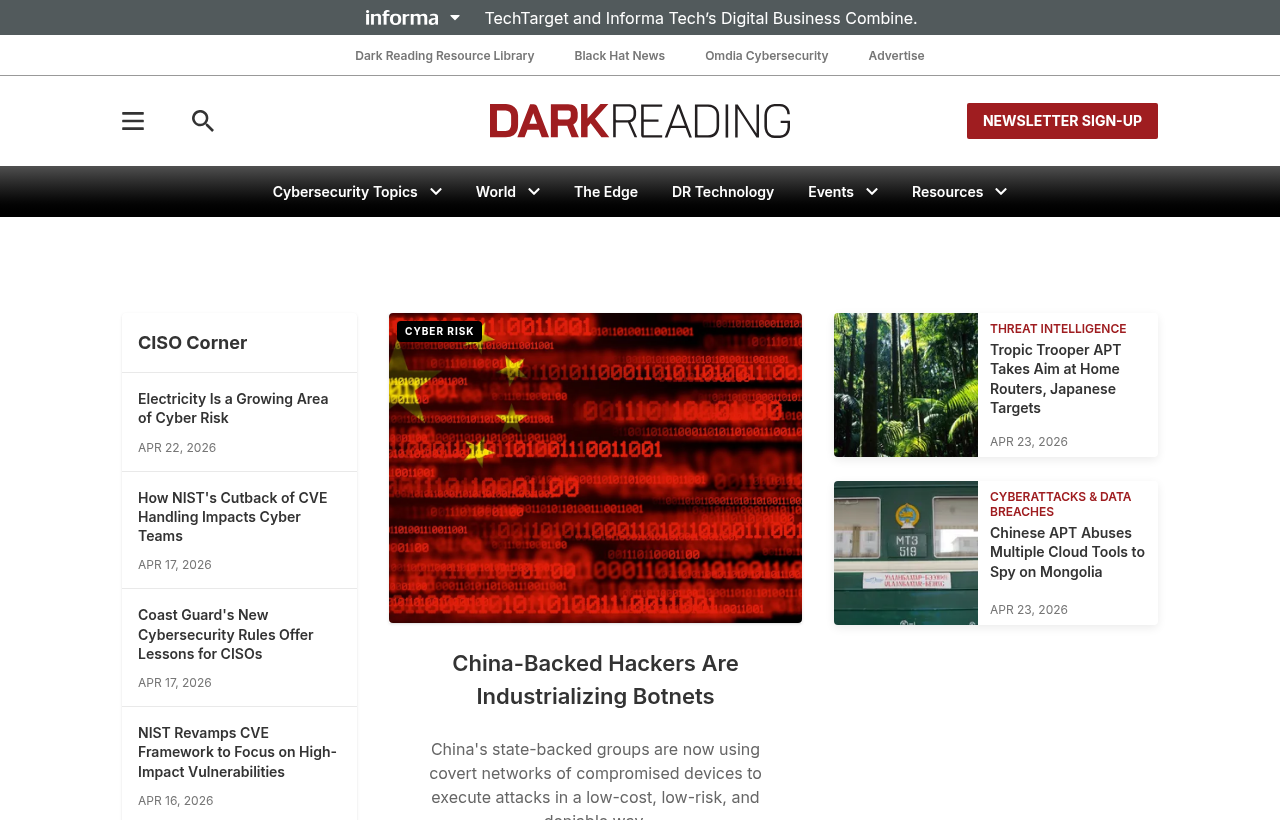
Start by building a working glossary of the 20 to 30 terms most relevant to your niche. If you cover cloud security, know CSPM, CWPP, and CIEM. If you cover identity, know NHI, PAM, and ITDR. Cross-reference how those terms appear in the publications your audience actually reads. Then set up a Feedly board covering Dark Reading, The Hacker News, SC Magazine, and any analyst publications relevant to your category. Staying current with incidents and emerging attack techniques is not optional. It is the baseline for sounding credible in B2B cybersecurity marketing.
The most underused resource in this phase is the internal expert. Schedule "explain it like I'm five" sessions with engineering, product, and any security analysts or researchers on staff. Ask what the product actually does step by step, what breaks when customers try to solve this problem without it, and what prospects consistently get wrong in their first evaluation call. Those answers produce source material that no amount of desk research can replicate, and they surface the specific examples and analogies that will make the content sound like it came from inside the industry.
02Days 30–60: The audience is rarely who you think it is
Most cybersecurity content marketing strategies target the CISO. That is approximately 70% correct. The CISO typically signs the contract, but security purchases almost never involve a single buyer. The buying committee for a mid-market or enterprise deal includes the practitioners who will use the product daily, the architects who evaluate technical fit, the compliance team, and often a finance stakeholder. Each persona reads content for different reasons and evaluates vendor credibility differently.
Content written exclusively for the CISO, pitched at a high-level strategic register, often fails to reach the practitioners who have the most influence over whether the product gets shortlisted. A threat intelligence analyst will dismiss a piece that does not demonstrate understanding of detection workflows. A cloud security engineer will discount a piece that gets the architecture wrong. The table below maps common cybersecurity niches to the practitioner roles who carry the most weight in the buying process.
| Cybersecurity niche | Primary practitioner roles to reach |
|---|---|
| Threat intelligence | Threat Intel Analyst, Security Researcher, Head of Threat Intel |
| Identity security / IAM | Identity Access Administrator, IAM Manager, IT Security Engineer |
| Data security / DSPM | Data Security Architect, Cloud Security Engineer, Privacy Officer |
| Email security | SOC Analyst, Email Security Engineer, Incident Responder |
| SOC automation / XDR | SOC Analyst, Detection Engineer, Incident Response Lead |
| Application security | AppSec Engineer, DevSecOps Engineer, Security Champion |
| Cloud security posture | Cloud Security Architect, Cloud Engineer, DevOps with security remit |
| Compliance / GRC | Compliance Manager, GRC Analyst, Risk Officer |
Validate the table against your sales team before building an editorial calendar from it. The practitioners who show up most often in evaluation calls are your real primary audience. Ask your account executives which job titles appear in initial discovery, who tends to block or accelerate deals, and what technical questions come up repeatedly. That conversation will save three months of producing content for the wrong persona.
03Days 60–90: Start small, publish consistently
The most common mistake at this stage is producing a 6,000-word whitepaper as the first piece of content. A whitepaper takes weeks to write, longer to review, and carries enormous production pressure for a team that has not yet established what resonates with the audience. When it misses, the feedback is delayed. A blog post takes days, gets read this week, and produces engagement signals within a publishing cycle or two. Start with four to six tightly scoped pieces in the first 30 days. Each should address a specific problem the target persona encounters and contain one takeaway the reader can use regardless of whether they buy the product.
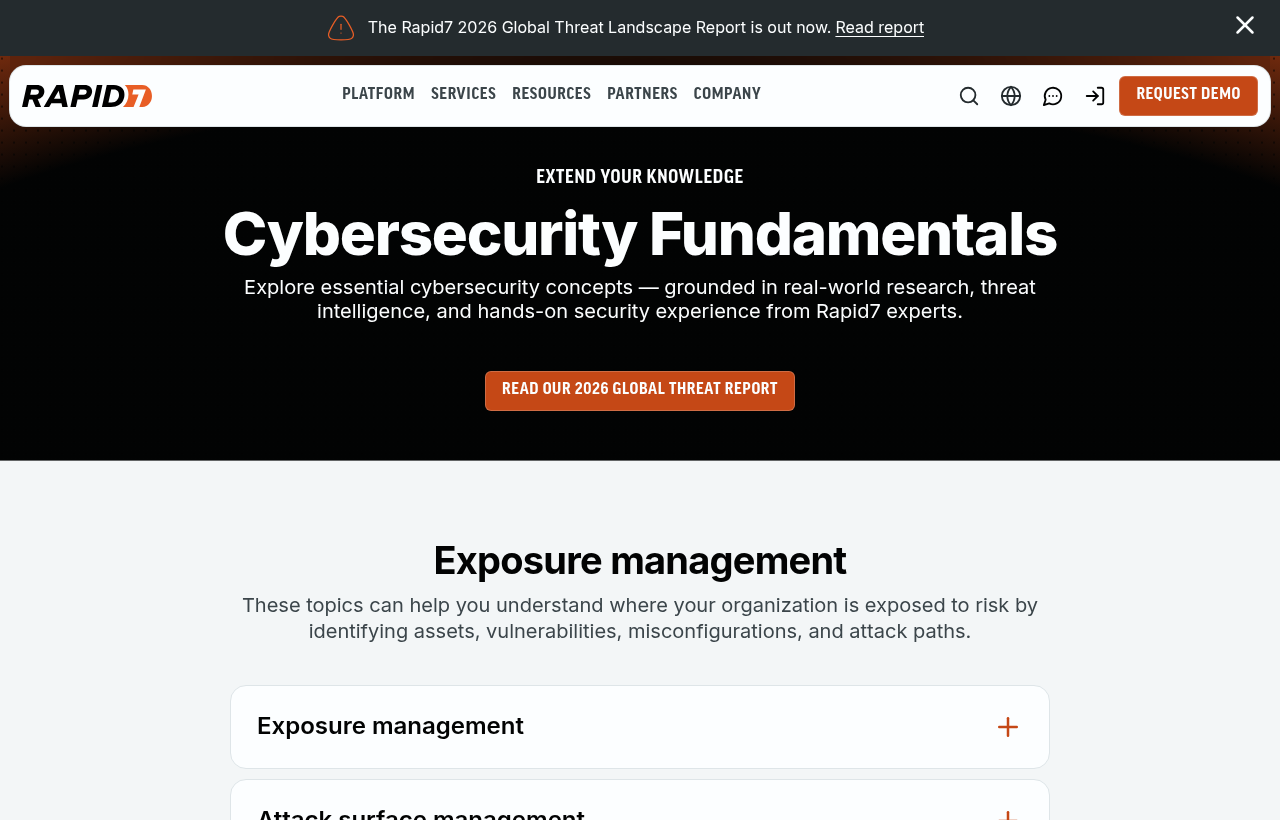
The framing that works is: here is the specific problem practitioners in your role face, here is why standard approaches fail at scale, here is what a workable solution looks like. The product enters the frame at the third stage, not the first. Rapid7's security fundamentals library below is the clearest example of this approach at scale. It gives practitioners a reference they will use on a working afternoon, return to when a term appears in a threat report, and associate with Rapid7's brand for years. It does not sell anything directly. It earns trust that compounds.
One blog post per week sustains an SEO footprint and keeps the brand visible in practitioner feeds. Two or three LinkedIn posts per week from a named founder or security leader builds an audience over three to six months. A quarterly threat report or technical deep-dive earns press coverage and backlinks. A monthly bylined article in trade press reaches practitioners who do not follow the vendor directly. None of these cadences require a large team. They require a clear owner for each format and a review process that catches technical inaccuracies before publication.
04Content formats and where they fit
| Format | Funnel stage | Primary audience | Length |
|---|---|---|---|
| Technical blog post | Awareness / consideration | Practitioner | 1,200–2,500 words |
| Threat research report | Awareness / credibility | Practitioner, press | 3,000–8,000 words |
| Whitepaper | Consideration / decision | Architect, procurement | 2,500–6,000 words |
| Bylined article (trade press) | Awareness / authority | Practitioner, CISO | 800–1,500 words |
| LinkedIn thought leadership | Awareness / trust | CISO, security leader | 100–300 words |
| Case study | Decision | Security leader, finance | 600–1,200 words |
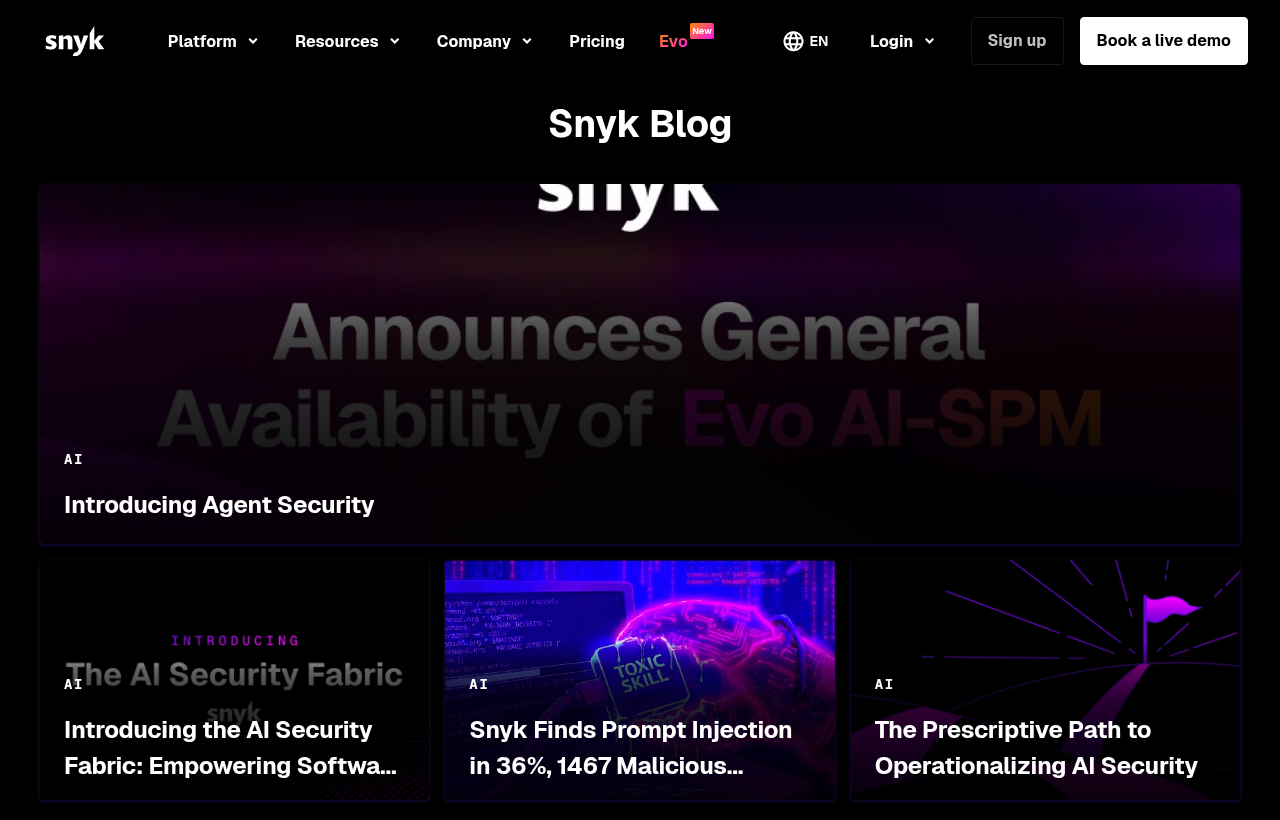
Vendors running active data security, identity security, or SOC and automation programmes typically run three or four formats simultaneously. Blog posts sustain search visibility week to week. Threat research generates press coverage and backlinks. LinkedIn posts build the named author's audience. Bylined articles in Dark Reading, SC Magazine, or The Hacker News reach practitioners who have not found the vendor organically. Each format feeds the others when the content is coordinated rather than produced in isolation.