
Most syndication guides conflate paid placements with distribution channels. The five platforms below cost nothing to publish on. No sponsored content fees, no editorial placement budgets, no pay-to-play. You create an account, submit your content, and your work is in front of an audience your own blog cannot reach yet.
Each platform has a different content culture, audience profile, and submission process. The steps below tell you exactly how to get live on each one.
"The best free distribution channel for a given piece depends on who wrote it and who you want reading it, not just where the domain authority is highest."
At a glance
| Platform | Audience | Entry | Backlink | Best for |
|---|---|---|---|---|
| Security Boulevard | Practitioners | RSS feed | Do-follow | Ongoing blog aggregation |
| Hacker Noon | Tech / security | Self-serve | Do-follow | Long-form technical |
| Medium | General / tech | Self-serve | No-follow | Broad reach, narrative pieces |
| Practitioners | Self-serve | Do-follow | Research, community discussion | |
| Substack | Niche subscribers | Self-serve | Do-follow | Newsletter audience building |
01Security Boulevard
securityboulevard.com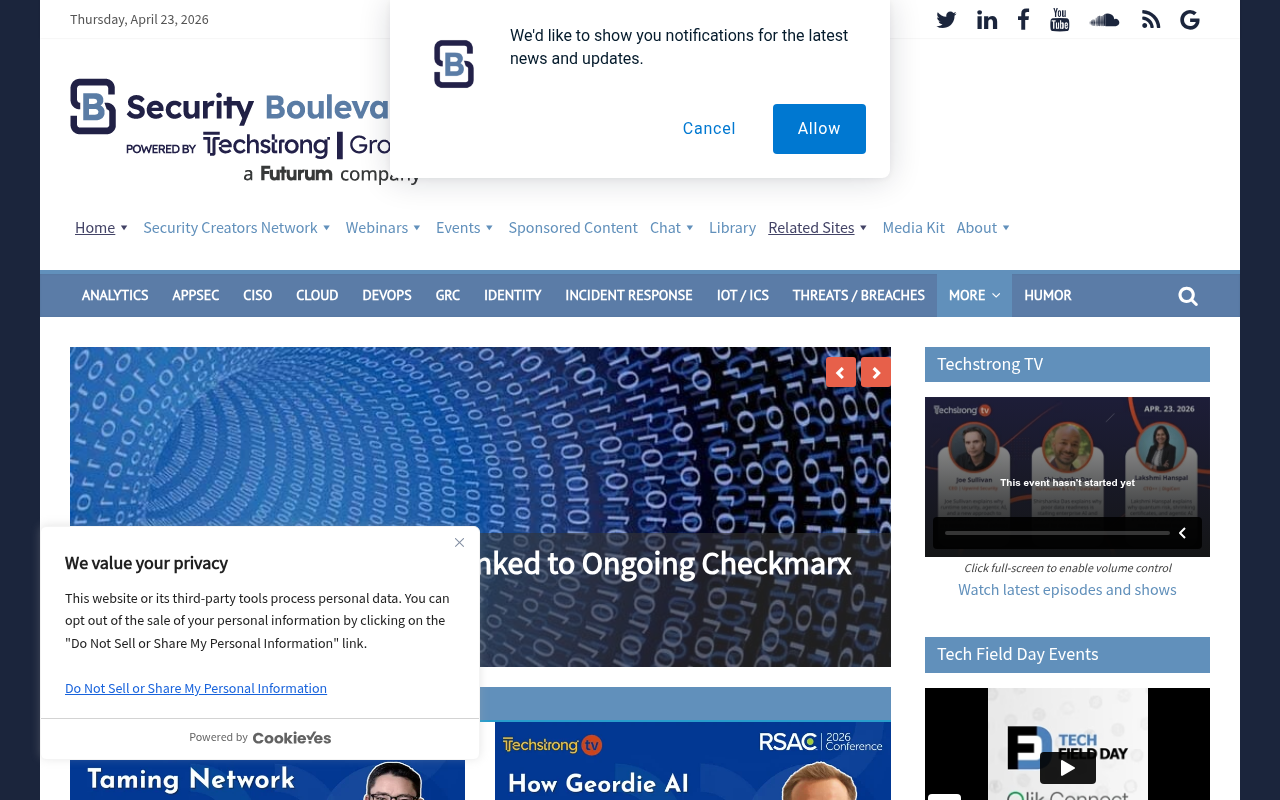
Security Boulevard is the hub of the Security Bloggers Network, an aggregator that pulls posts from approved vendor and practitioner blogs. Once accepted, every post you publish surfaces automatically to a practitioner audience via RSS. No per-post fee, no recurring submission work.
How to get started
- Check your blog qualifies. Security Boulevard requires an active blog publishing original security content. Three to five published posts on your own domain is a reasonable baseline before applying. An RSS feed must already be live.
- Submit an application to the Security Bloggers Network via the form on their site. You will provide your blog URL, RSS feed address, and a short description of your content focus. Approval typically takes a few business days.
- Once accepted, paste your RSS feed URL into the network settings. From that point, every post you publish to your blog feeds through automatically. No further action is required per post.
02Hacker Noon
hackernoon.com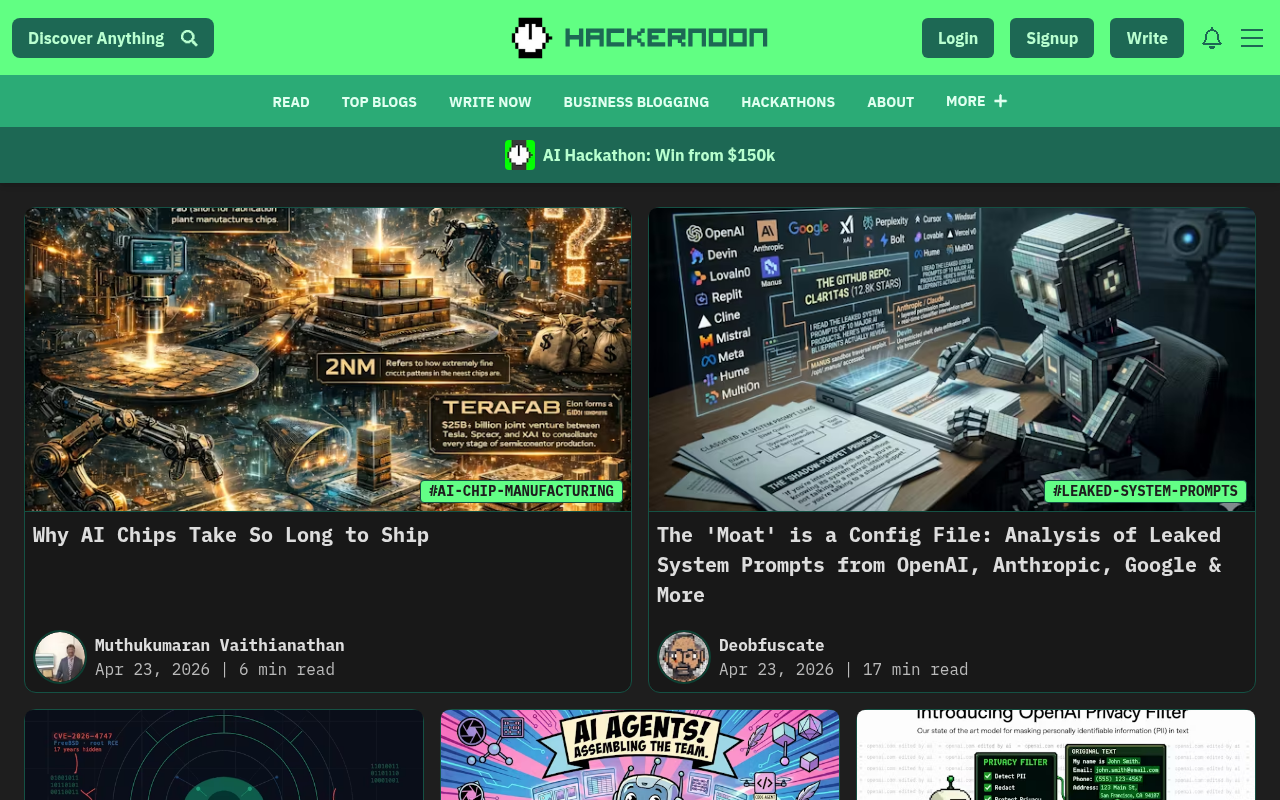
Hacker Noon is a self-serve platform with 25,000+ contributing writers. Submissions go through a light editorial review rather than a full gatekeeping process. The audience skews technical: developers, security researchers, and practitioners who read critically. Long-form pieces, attack breakdowns, and original research perform well. Vendor-focused product posts do not.
How to get started
- Create a free account at hackernoon.com and click "Write a story" to open the editor. You can paste content directly or use the Import option in the editor menu to pull from your article URL, which preserves most formatting.
- In the story settings panel on the right side of the editor, find the "Canonical URL" field and enter your original post URL. This is required before submitting — skip it and Hacker Noon becomes a duplicate content liability.
- Submit for editorial review. Technical, practitioner-focused content clears review faster than promotional copy. Approval typically takes 24 to 72 hours. You will receive an email when the piece goes live.
03Medium
medium.com
Medium has 170 million monthly readers and no editorial gatekeeping for individual writer posts. Security content performs well inside InfoSec Write-ups, an active Medium publication with its own subscriber base. Medium backlinks are no-follow, so the case for it is reach rather than direct SEO value.
How to get started
- Create a Medium account and go to medium.com/p/import. Paste your original article URL and Medium will pull in the full content automatically, preserving headings and paragraph structure.
- Before publishing, open the story settings and find "Advanced settings". Enter your original post URL in the canonical link field. Without this step, Medium distributes SEO authority to its own domain rather than yours.
- Publish to your profile, or submit to InfoSec Write-ups for wider reach. Click "Submit to publication" in the story editor, search for InfoSec Write-ups, and follow their submission instructions. Editors review and publish accepted pieces within a few days.
04Reddit
reddit.com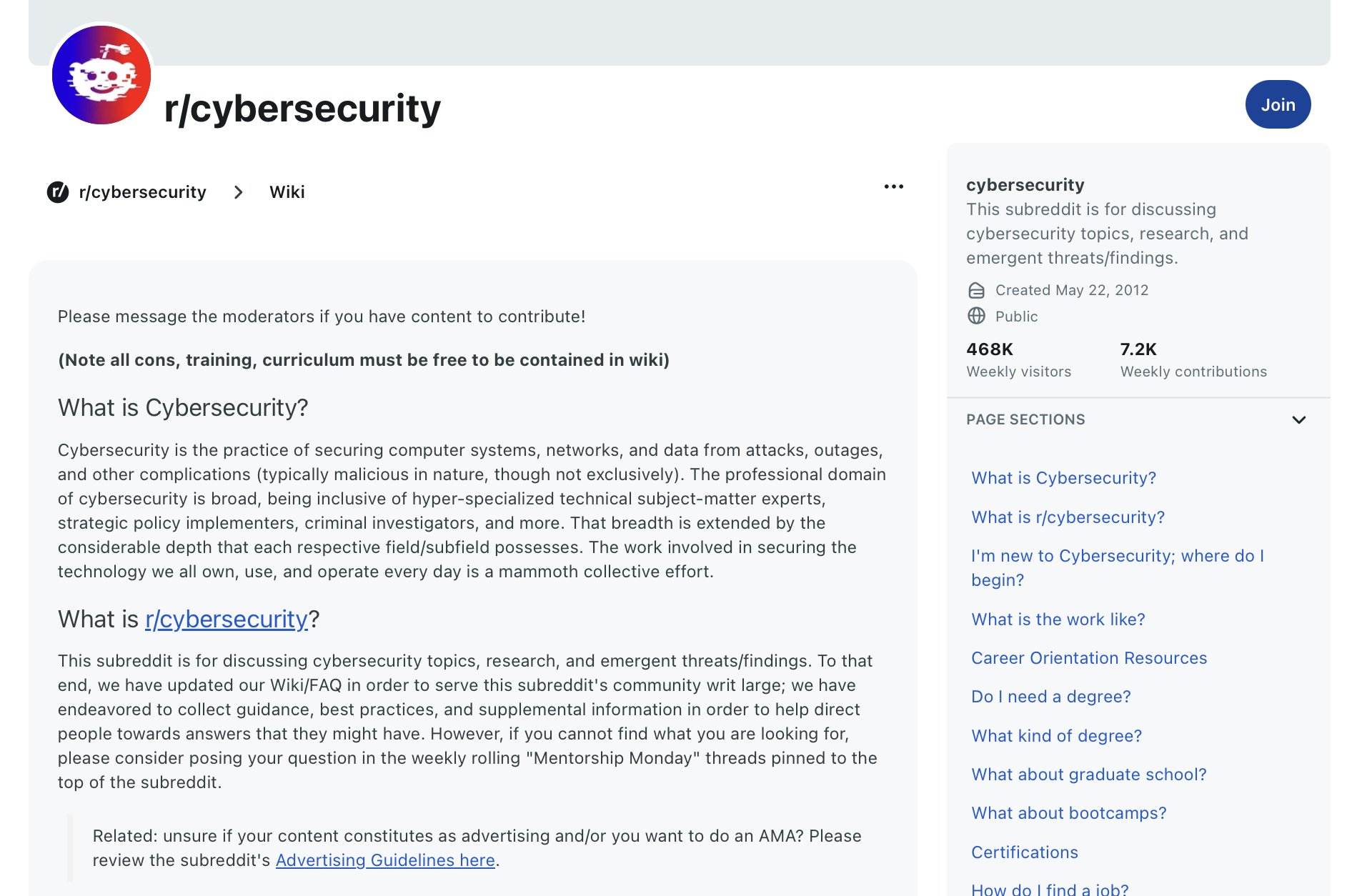
Two subreddits stand out for cybersecurity vendor content: r/cybersecurity (750,000+ members, welcomes analysis, trend pieces, and threat research) and r/infosec (skews more technical, suited to vulnerability analysis and hands-on practitioner content). A post that lands well generates more single-day referral traffic than most other channels on this list. Posts that read as vendor promotion get downvoted without comment.
How to get started
- Build account standing before you post. Both subreddits use karma thresholds and account age checks to filter new accounts. Spend a week commenting genuinely on existing threads before submitting your own link. New accounts posting links immediately get removed automatically.
- Post as a link post, not a text post. Click New Post in the subreddit, select "Link", and submit your original article URL with a neutral and descriptive title. Do not copy the article text into the post body — it reads as self-promotion and creates a duplicate content problem.
- Stay in the thread for the first hour. Reddit's algorithm weights early engagement heavily. Reply to comments, answer follow-up questions, and treat the thread as a genuine conversation. Posts that generate discussion in the first 60 minutes reach significantly more people through the subreddit feed.
05Substack
substack.com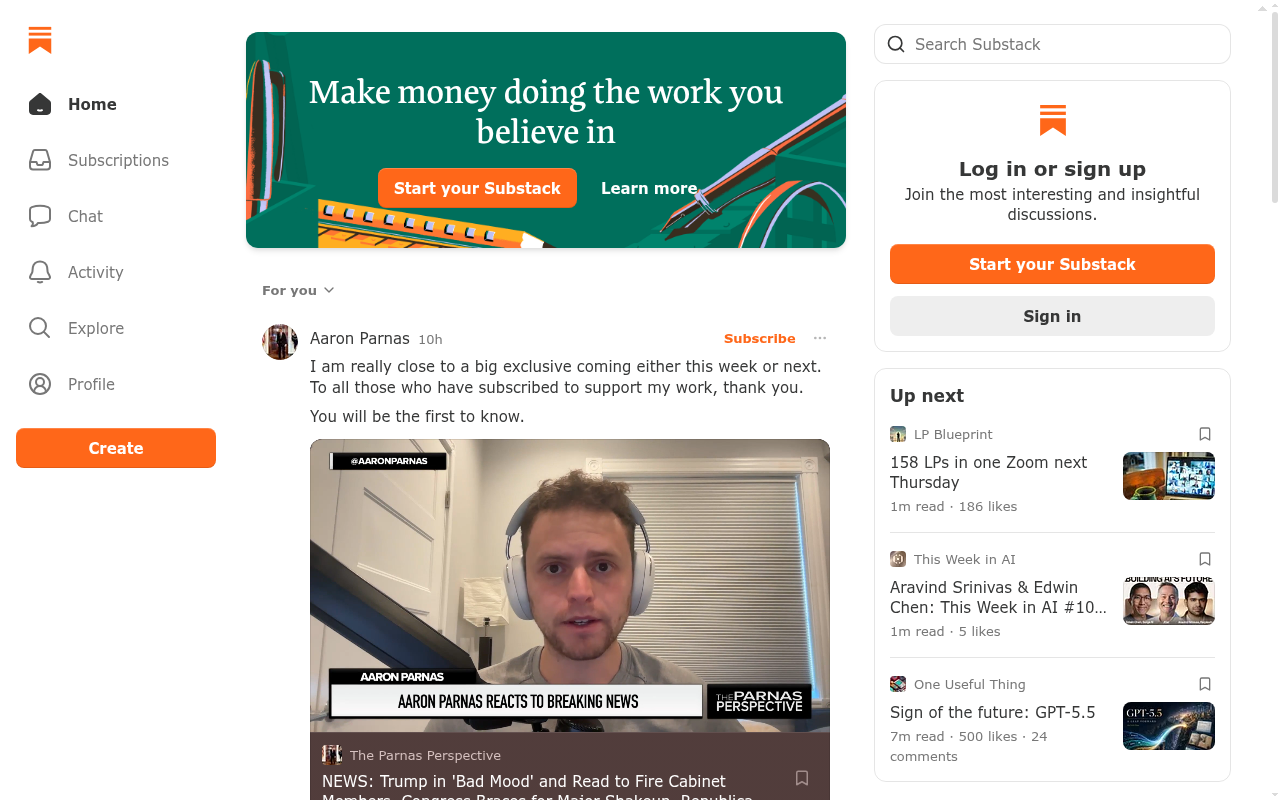
Unlike the other channels here, Substack is about building a direct subscriber relationship over time rather than reaching an existing platform audience immediately. Substack posts are indexed by search engines and linked do-follow, adding SEO value alongside the subscriber channel. Free to publish; Substack takes a 10% cut only if you choose to charge subscribers, which is optional.
How to get started
- Create a free newsletter at substack.com. Choose a name that works independently as a channel rather than just your company name. A named series ("Security Dispatch", "The SOC Brief") positions better with readers and gives the newsletter a reason to exist beyond product announcements.
- Create a new post and paste in your content. In the post settings, find the canonical URL option and enter your original article URL so search engines attribute authority to your own domain. Publish as a free post — paywalling syndicated content removes the distribution benefit entirely.
- Grow the subscriber list deliberately. Add the Substack link to your LinkedIn bio, your email signature, and at the end of your main blog posts. A small direct subscriber list compounds faster than any algorithm-dependent channel, and every subscriber is an opt-in contact you own regardless of platform changes.
Canonical tags and syndication SEO
Publishing the same piece across multiple platforms creates a duplicate content problem if not handled correctly. The fix is a canonical tag on every syndicated copy pointing back to your original URL. Hacker Noon and Medium both have built-in canonical settings — use them every time. For platforms that do not support canonical tags natively, publish on your own site first, wait two weeks for search engines to index the original, then syndicate.
Do not syndicate your highest-priority SEO pages verbatim. Reserve full syndication for content whose primary value is reach. For pieces targeting specific search terms, syndicate a condensed version with a link back to the full piece. Reddit is the exception: links submitted there point to your original URL, so there is no duplicate content issue.
Syndication extends content that already exists. It does not solve a content shortage. If the original pipeline is thin, syndication will surface that thinness across more channels, not less.