
Cybersecurity ghostwriting produces content published under someone else's name, usually a CISO, founder, threat researcher, or product leader. The writer interviews that person, captures how they think, and drafts material the named author would publish without rewriting half of it. The category sits across LinkedIn thought leadership, technical blog posts, bylined articles in trade press, and named threat research. Most established security vendors use ghostwriters at some point.
"The test of cybersecurity ghostwriting is whether the named author would change a single sentence on review. If they would rewrite half the draft, the writer was guessing at the subject."
At a glance
| Format | Typical length | Where it lives |
|---|---|---|
| Founder LinkedIn posts | 100 to 300 words | Author's LinkedIn profile |
| Technical blog posts | 1,200 to 2,500 words | Vendor blog or content hub |
| Bylined articles | 800 to 1,500 words | Industry publication |
| Threat research | 2,500 to 6,000 words | Vendor research hub or PDF |
How a typical engagement runs
The order is consistent across most providers, even if the timeline changes.
- Voice intake. The writer collects existing material from the named author: prior posts, talk transcripts, podcast appearances, or internal documents. Without this, every draft sounds like the writer instead of the author.
- Topic brief. Marketing or the executive defines the topic, angle, and publication target.
- Source material capture. Through a recorded interview, a written response to a structured prompt, or a transcript of an internal meeting where the author already discussed the topic.
- First draft. The writer produces the full piece in the author's voice. The first draft is rarely the publication draft.
- Author review. The named author reads the draft and marks anything that does not sound like them.
- Revision cycle. One to two rounds is standard. More than three signals a writer-author mismatch.
- Publication. The piece goes live under the author's name on the chosen channel.
01Founder LinkedIn ghostwriting
Founder ghostwriting on LinkedIn is the highest-volume category. A weekly cadence works out to around 50 posts a year, each between 100 and 300 words. The output is best when the writer maintains an ongoing dialogue with the founder. A monthly call or async chat covering recent product decisions, customer conversations, or industry events provides enough source material for four to six posts.
The format suits founders, sales leaders, and CMOs more than CISOs or threat researchers. Practitioners value direct technical content from researchers, but they treat polished founder posts as a normal part of LinkedIn, expected and welcome when the substance is there.
02Technical blog posts under an executive byline
Vendor blog posts ghostwritten under a CTO, head of research, or principal engineer byline are the bridge between marketing content and credible technical material. The format runs 1,200 to 2,500 words and covers a single topic in depth.
The best engagements pair the ghostwriter with the named author for one interview at the start, plus a written review at the end. The writer drafts the structure, the technical claims, and the conclusions. The named author reviews for accuracy and adds the perspective only they can provide. Pieces in this format are the most defensible against "this looks AI-generated" criticism because the technical specificity is hard to fake.
03Bylined articles in industry publications
Bylined articles are the hardest format to ghostwrite well. The piece runs 800 to 1,500 words, gets placed in an industry publication, and carries the executive's name with no indication of ghostwriting involvement. Editors reject pitches that read as vendor content rewritten for a third-party masthead. The named author needs to be a recognisable industry voice, or the piece needs to offer enough original insight that a less established author can earn the placement on substance alone.
The most common targets for cybersecurity bylines:
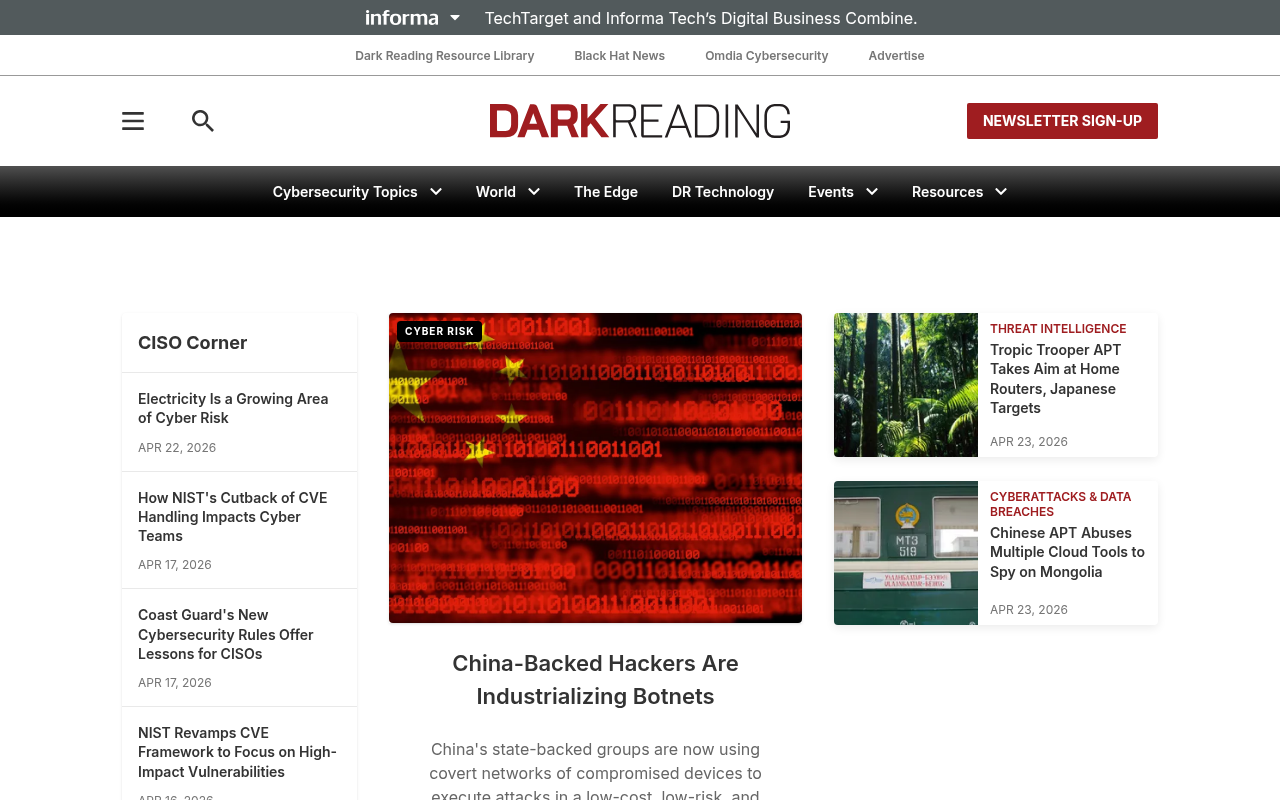
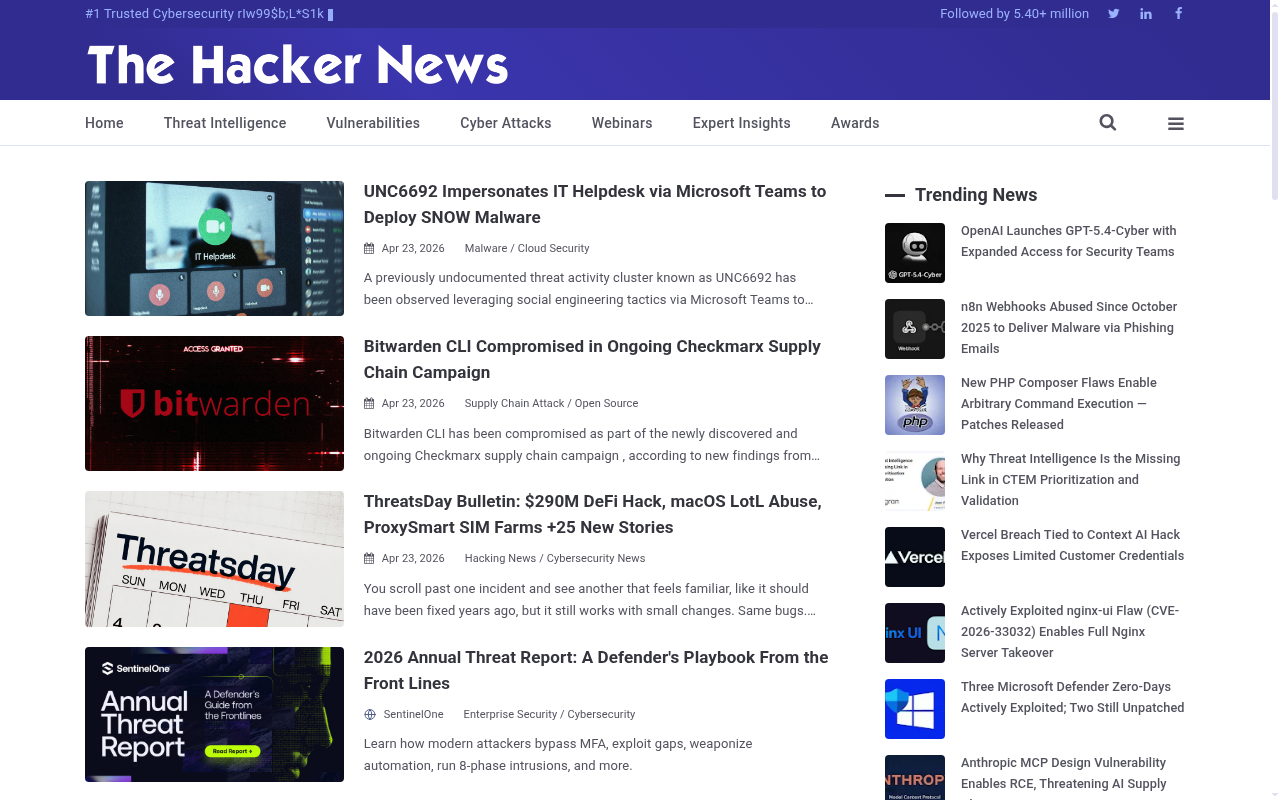

Securing a Dark Reading or CSO Online byline can take weeks of editor outreach even with a strong draft in hand. A vendor planning quarterly bylined articles needs to start the placement process months in advance.
04Threat research under a named author
Threat reports carry a named author for a specific reason: practitioners trust research more when it has a person attached. The format runs 2,500 to 6,000 words and includes original data attributed to a named researcher.
The ghostwriting model here is different. The named author is usually doing the research themselves, with the writer producing the published narrative around it. The writer interviews the researcher, structures the findings, writes the prose, and produces the polished output the researcher would not have time to write. Reports written from an executive summary alone consistently underperform reports written from sustained access to the research process.
When ghostwriting works (and when it does not)
Ghostwriting works when the named author has a clear point of view and the writer has the technical fluency to capture it. A founder with strong opinions produces excellent LinkedIn output through a ghostwriter who interviews them monthly. A CTO with deep product knowledge produces credible technical blog posts through a writer who can check claims against documentation. A research team producing original threat data produces high-impact reports through a writer who works alongside the analysts.
It fails when the named author has nothing distinctive to say (no writer can manufacture a perspective that does not exist) or when the writer treats the engagement as transactional and stops staying current with the field.
Three signals separate strong output from filler. Voice match: the piece reads as if the author wrote it themselves on a productive afternoon. Technical specificity: the exact MITRE ATT&CK technique, the specific CVE, the configuration that breaks under load. Publication discipline: deadlines met, revisions accepted without ego, output that meets the editorial standards of the target.